Side grafting is a popular and reliable plant propagation technique widely used in fruit trees and ornamental plants. It is especially useful when the rootstock is thicker than the scion or when gardeners want to improve plant varieties without cutting down the entire plant.
In this blog, we’ll explore the side grafting method in detail—what it is, when to use it, step-by-step procedure, advantages, disadvantages, and practical tips—followed by a helpful FAQ section.
What Is Side Grafting?
Side grafting is a method in which a scion (the desired plant variety) is inserted into a slanting cut made on the side of the rootstock. Unlike cleft or whip grafting, the rootstock is not cut completely; instead, the scion is attached to the side while the rootstock continues to grow.
This technique is commonly used in plants like mango, apple, citrus, guava, rose, and many ornamental shrubs. Side grafting is ideal for young nursery plants as well as semi-mature rootstocks.




Best Time for Side Grafting
The success of side grafting depends heavily on timing. The best season is usually late winter to early spring, just before active growth begins. In tropical regions like India, side grafting is often done during the monsoon season when humidity is high and plant tissues heal faster.
Avoid grafting during extreme heat or cold, as this can reduce the chances of graft union.
Also Read: How to Do Mango Tree Grafting: A Step-by-Step Guide for Healthy, High-Yield Trees
Tools and Materials Required
To perform side grafting successfully, you’ll need:
- Healthy rootstock plant
- Disease-free scion (10–15 cm long with 2–3 buds)
- Sharp grafting knife or blade
- Grafting tape or polythene strip
- Pruning shears
- Fungicide (optional, for disease prevention)
Clean and sterilized tools are essential to prevent infections.
Step-by-Step Side Grafting Method
1. Selection of Rootstock and Scion
Choose a healthy rootstock with strong roots and active growth. The scion should be taken from a high-yielding, disease-resistant mother plant.
2. Making the Side Cut on Rootstock
On the side of the rootstock stem, make a downward slanting cut about 3–5 cm long. The cut should be deep enough to expose the cambium layer but not split the stem.
3. Preparing the Scion
Trim the lower end of the scion into a wedge shape, ensuring smooth cuts on both sides. This helps in better cambium contact.
4. Inserting the Scion
Carefully insert the scion into the side cut of the rootstock. Make sure the cambium layers of both scion and rootstock are aligned properly—this is critical for successful grafting.
5. Tying and Sealing
Secure the graft union tightly using grafting tape or polythene strip. Ensure no air or moisture enters the joint.
6. Aftercare
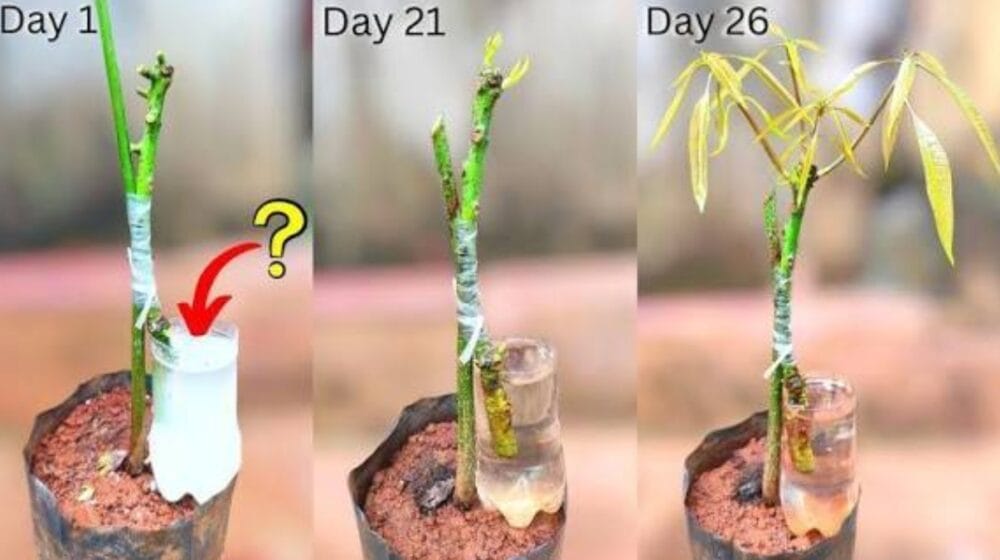
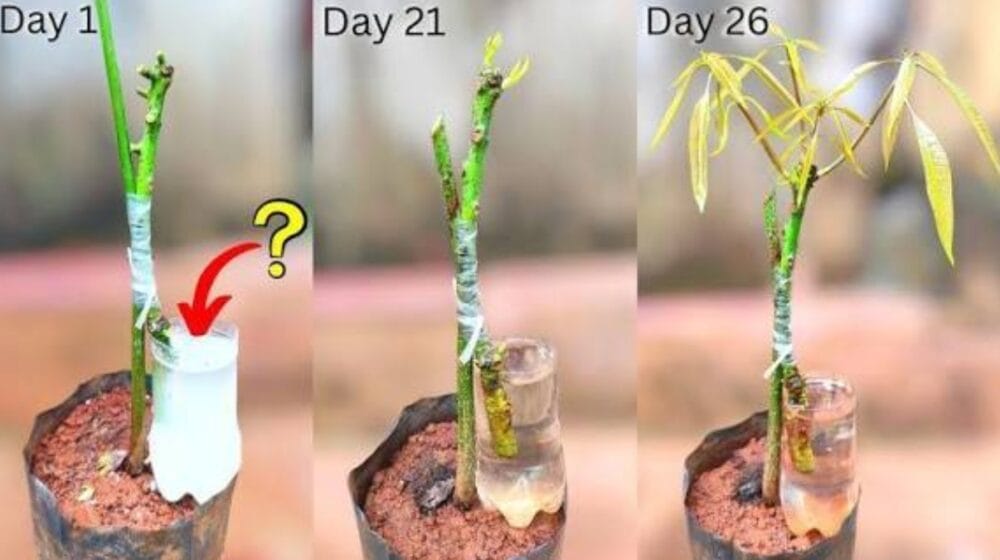
Keep the grafted plant in partial shade. Water regularly but avoid waterlogging. Once the scion starts sprouting (usually in 2–4 weeks), gradually remove the wrapping.
Also Read: Top 7 Organic Fertilisers for Coconut Trees
Aftercare and Maintenance
Proper aftercare is key to graft success:
- Protect grafts from direct sunlight and strong winds
- Remove shoots emerging from the rootstock below the graft union
- Gradually harden the plant by exposing it to sunlight
- Apply light fertilizer after successful graft union
Once the scion grows well, the top portion of the rootstock above the graft can be cut off to encourage scion dominance.
Advantages of Side Grafting
- High success rate compared to some other methods
- Rootstock remains alive during grafting
- Suitable for a wide range of plants
- Allows variety improvement without uprooting plants
- Easy to perform with basic tools
Disadvantages of Side Grafting
- Requires skill to align cambium layers correctly
- Takes time for complete establishment
- Not ideal for very thin rootstocks
- Improper aftercare can lead to graft failure
Common Plants Suitable for Side Grafting
- Mango
- Apple
- Citrus (lemon, orange)
- Guava
- Rose
- Sapota (chikoo)
Frequently Asked Questions (FAQ)
Q1. What is the main purpose of side grafting?
Side grafting is used to propagate superior plant varieties, improve fruit quality, and maintain desirable traits using a strong rootstock.
Q2. How long does side grafting take to show results?
Scion buds usually start sprouting within 2–4 weeks, while complete graft union may take 2–3 months.
Q3. Is side grafting suitable for beginners?
Yes, with proper guidance and practice, beginners can successfully perform side grafting.
Q4. What is the success rate of side grafting?
With proper timing, healthy materials, and good aftercare, the success rate can be 60–80% or even higher.
Q5. Can side grafting be done in all seasons?
No. It is best done during active growth periods like spring or monsoon, depending on the climate.
Q6. What are common reasons for graft failure?
Poor cambium alignment, dry scion, infections, improper tying, and unfavorable weather conditions.
Conclusion
The side grafting method is an effective and versatile technique for plant propagation and variety improvement. When done at the right time with proper care, it offers high success rates and strong plant growth.
Whether you are a home gardener or a nursery professional, mastering side grafting can significantly enhance your gardening skills and plant productivity.
Also Read: Grafting